
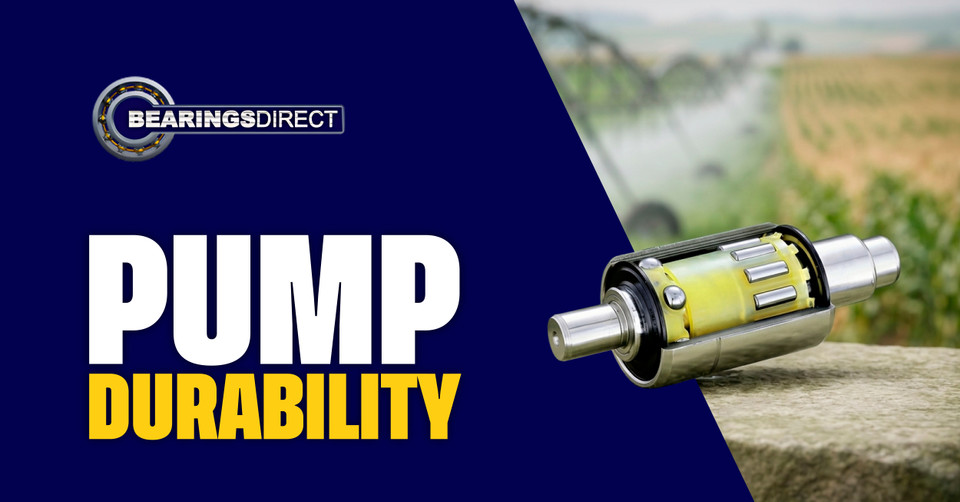
Irrigation Pump Bearings: Matching Load Rating to Seasonal Run Hours
When a pump bearing fails in the middle of irrigation season, it never feels like a minor setback. Everything depends on steady water flow, and one small part can bring the whole system to a stop if it isn’t built for the hours you actually put on it.
Why Do Irrigation Pump Bearings Fail Prematurely?
Mismatch Between Load Rating and Real Operating Demands
A surprising number of failures start with a bearing that looked fine on paper but wasn’t sized for the real workload. Maybe the pump runs longer hours than expected, or maybe the pressure spikes during peak demand. Either way, when the load rating is too low, the rolling elements fatigue early and your bearing lifespan pump hours drop fast. If the pump bearing load rating doesn’t match the way you actually use the pump, the bearing simply can’t keep up.
Seasonal Stress Patterns
Irrigation pumps live on a seasonal rhythm. During the busy months, they may run nearly nonstop. Then winter arrives, and the pump sits untouched for weeks or even months. That kind of stop‑and‑start cycle is tough on lubrication and internal surfaces. Grease settles, moisture creeps in, and corrosion begins. This is why seasonal bearing maintenance agriculture routines matter — they help you prepare for both the heavy‑use months and the long quiet ones.
Environmental Factors
Farm environments are rough on equipment. Moisture, silt, fertilizer dust, and temperature swings all find their way into pump housings. Even sealed units can take in debris through worn seals or vent paths. Over time, that contamination increases friction and shortens the life of bearings for irrigation systems.
What Is Load Rating and Why Does It Matter for Pump Bearings?
Dynamic Load Rating (C)
Dynamic load rating tells you how much load a bearing can handle while rotating. Pumps that run long hours need bearings with higher C ratings so they can survive the constant movement and pressure.
Static Load Rating (C0)
Static load rating measures how much load a bearing can handle when it isn’t moving. This becomes important during off‑season storage, when the pump sits idle and weight rests on the same points inside the bearing.
The C/P Ratio
The C/P ratio compares the bearing’s rated capacity (C) to the actual load (P) your pump applies. A higher ratio means longer life. A lower ratio means early wear. Understanding this ratio helps you make better bearing selection for irrigation pumps and avoid underspecifying a part that needs to last through long seasons.
How Do Seasonal Run Hours Affect Bearing Selection?
Calculating Annual Run Hours
A simple way to start is by adding up your irrigation schedule. If you run 14 hours a day, six days a week, for 12 weeks, you’re already over 1,000 hours. When you know your total run hours, you can choose bearings that won’t force you into an early agricultural pump bearing replacement.
Peak Season vs. Off-Season Load Cycles
Your pump doesn’t experience the same load all year. Peak season brings long run cycles and higher pressure. Off‑season brings moisture, corrosion, and lubrication breakdown. These swings shorten bearing life faster than steady, predictable use.
L10 Life Expectancy
L10 life tells you how many hours 90% of identical bearings will last under a specific load. When you compare L10 life to your seasonal run hours, you get a clear picture of whether the bearing will make it through the season. This is especially important when choosing durable bearings for water pumps that need to survive long, demanding cycles.
Which Types of Bearings Are Best Suited for Irrigation Pumps?
Deep Groove Ball Bearings
These bearings handle moderate radial and axial loads and are common in standard centrifugal pumps. They’re reliable, affordable, and work well for steady‑speed motors.
Spherical Roller Bearings
These bearings handle heavy radial loads and misalignment. They’re built for large agricultural pumps that move high water volumes and are often chosen as heavy-duty pump bearings for tough field conditions.
Thrust Bearings
Thrust bearings support strong axial forces created by vertical turbine pumps and high‑pressure impellers. They’re essential for thrust bearings irrigation setups where axial load dominates.
Sealed and Shielded Variants
Sealed and shielded bearings protect internal components from water, silt, and fertilizer dust. They’re especially useful for radial load bearings for pumps and other outdoor systems exposed to harsh conditions.
How Can You Calculate the Right Load Rating for Your Irrigation System?
Step 1: Determine Pump Output and Shaft Load
Start with flow rate, head pressure, and motor torque. These numbers help you estimate the radial and axial loads on the bearing.
Step 2: Factor In Seasonal Run Hours
Convert your irrigation schedule into annual run hours. Pumps that run more than 1,000 hours per season need stronger bearings and higher load ratings.
Step 3: Apply a Service Factor
Agricultural pumps face shock loads, misalignment, and contamination. A service factor helps you adjust for these real‑world conditions. Higher service factors often point you toward heavy-duty pump bearings that can handle unpredictable loads.
Step 4: Cross-Reference with Bearing Specifications
Match your calculated equivalent dynamic load (P) with the bearing’s C rating. This step is essential for accurate bearing selection for irrigation pumps and avoiding early agricultural pump bearing replacement.
What Maintenance Practices Maximise Bearing Life in Irrigation Systems?
Pre-Season Inspection
Before irrigation season starts, check for wear, rust, and lubrication issues. Replace seals and clean the housing to prevent contamination.
Re-Greasing Intervals Tied to Run Hours
Grease based on actual run hours, not calendar time. Pumps that run long hours need more frequent lubrication to prevent heat buildup and friction.
Off-Season Storage Protocols
During winter, protect bearings from moisture and corrosion. Rotate the shaft monthly, refresh grease, and cover the pump to block dust. These steps help extend bearing lifespan pump hours and reduce downtime.
Early Warning Signs of Bearing Wear
Watch for vibration, heat, noise, or reduced pump output. These signs indicate the need for agricultural pump bearing replacement before failure. Using durable bearings for water pumps helps reduce these issues and extend service life.
Why Choose Bearings Direct for Irrigation Pump Bearings?
Wide Range of Load-Rated Pump Bearings
Bearings Direct offers deep groove ball bearings, spherical roller bearings, thrust bearings, and mounted units — all available in multiple load ratings.
Agricultural and Industrial-Grade Options
You can choose bearings designed for moisture, dust, and abrasive field conditions. These options help you avoid early failures during peak season.
Fast Supply and Technical Support
You get quick delivery and expert help selecting the right bearing for your pump. This ensures you’re ready before irrigation season begins.
Get the Right Bearings Before Irrigation Season Starts
Browse Bearings Direct’s full range of pump bearings and get help choosing the right load‑rated bearing for your seasonal run hour needs. The right choice keeps your irrigation system running smoothly all season long.
FAQ
1. How do I know if my irrigation pump bearings are undersized?
If your pump runs hot, vibrates, or fails before the season ends, the load rating may be too low.
2. How often should irrigation pump bearings be replaced?
If your pump runs more than 1,000 hours per season, annual replacement is recommended.
3. What is the most important factor in selecting pump bearings?
Matching the load rating to your real seasonal run hours is the key to long service life.
4. Do irrigation pumps need sealed or shielded bearings?
Yes. Sealed or shielded bearings protect against moisture, silt, and fertilizer dust.
5. What causes early bearing failure in agricultural pumps?
Common causes include contamination, low load rating, poor lubrication, and long run cycles.
6. How does the C/P ratio affect bearing life?
A higher C/P ratio means the bearing can handle more load and last longer.
7. What type of bearing is best for high-pressure irrigation pumps?
Thrust bearings and angular contact bearings handle strong axial loads from high‑pressure impellers.
8. How do seasonal run hours impact bearing lifespan?
More hours increase heat and wear, while off‑season downtime increases corrosion risk.
9. Can I use standard industrial bearings in irrigation pumps?
Standard bearings may not handle moisture or contamination. Choose bearings designed for pump environments.
10. Where can I buy durable irrigation pump bearings?
Bearings Direct offers a wide range of load‑rated bearings designed for agricultural and irrigation systems.