
When to Use Open vs Sealed Bearings—and Why It Matters
A bearing can look perfect on paper and still fail too soon in real-world conditions. In many cases, the issue isn’t load or speed—it’s choosing the wrong type between open and sealed designs. That mistake can lead to contamination, extra maintenance, and costly downtime. When you understand open vs sealed bearings, you make better decisions that protect your equipment and improve long-term reliability.
What Is the Difference Between Open and Sealed Bearings?
The difference between open and sealed bearings comes down to protection, lubrication, and maintenance. Understanding sealed vs open bearings helps you avoid costly mistakes in real-world applications.
Open Bearings
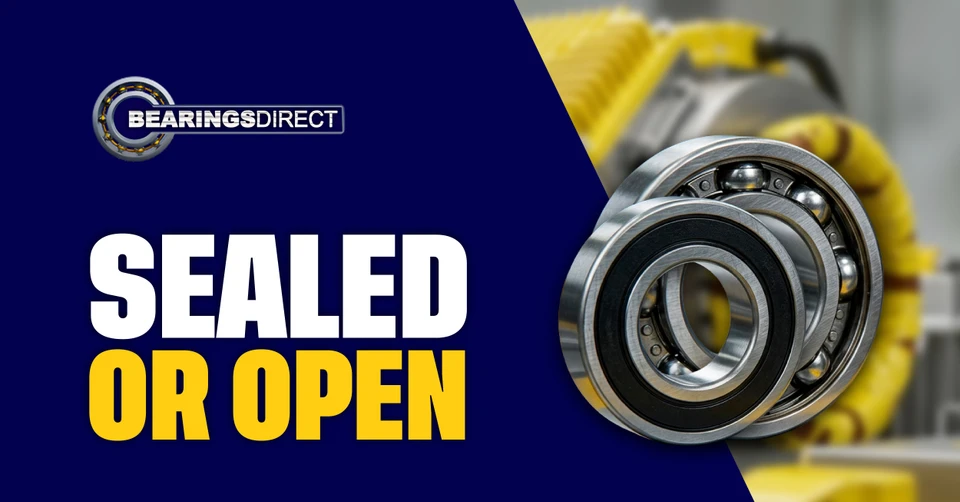
Open bearings have exposed rolling elements, meaning there are no seals or shields built into the design. Because of this:
- They require external lubrication
- They allow easy inspection and cleaning
- They are more flexible for custom lubrication systems
This design is often discussed in bearing sealing types explained, especially when comparing protection levels.
Sealed Bearings
Sealed bearings include built-in seals, usually made from rubber or polymer materials. These seals:
- Keep lubricant inside
- Block dirt, dust, and moisture
- Reduce the need for maintenance
They are essential for strong bearing protection from contamination in harsh environments.
What About Shielded Bearings?
Shielded bearings sit between the two. They use metal shields instead of tight seals.
- Shields block larger debris
- They do not fully seal out moisture or fine dust
Understanding the shielded vs sealed bearings difference helps you choose the right level of protection.
At the core, comparing open vs sealed bearings is about balancing protection, speed, and maintenance.
When Should You Use Open Bearings?
Open bearings are a strong choice when your environment is clean and your team can handle regular maintenance.
Best Conditions for Open Bearings
- Clean environments with minimal contamination
- High-speed applications where low friction matters
- Systems with planned lubrication schedules
If you’re deciding when to use open bearings, consider how well you can control contamination and support ongoing maintenance.
Why They Work Well
Open bearings allow for better heat dissipation and lower friction. This makes them ideal in applications where performance matters more than protection.
Common Applications
- Precision machinery
- Laboratory equipment
- Controlled manufacturing systems
- High-speed spindles
In these cases, comparing lubricated vs sealed bearings often favors open designs because lubrication can be managed directly.
When Are Sealed Bearings the Better Choice?
Sealed bearings are the better option when your environment is unpredictable or harsh.
Best Conditions for Sealed Bearings
- Dusty or dirty environments
- Wet or humid conditions
- Limited access for maintenance
If you’re evaluating when to use sealed bearings, the key factor is contamination risk.
Why They Work Well
Sealed bearings protect internal components from debris and moisture. This improves durability and reduces failure risk.
Common Applications
- Agricultural equipment
- Construction machinery
- Conveyor systems
- Outdoor motors
They are often considered the best bearings for dusty environments, thanks to their strong bearing protection from contamination.
How Do Open and Sealed Bearings Compare in Performance?
When comparing sealed vs open bearings, performance depends on how the bearing is used.
Friction and Speed
- Open bearings typically have lower friction
- They perform better in high-speed applications
Contamination Resistance
- Sealed bearings offer superior protection
- They prevent dirt and moisture from entering
Maintenance Requirements
- Open bearings require regular lubrication
- Sealed bearings are mostly maintenance-free
Lifespan Trade-Offs
- Open bearings can last longer in clean environments with proper care
- Sealed bearings last longer in dirty environments
This comparison is a key part of any industrial bearing selection guide, where performance and environment both matter.
What Factors Should You Consider When Choosing Between Them?
Choosing between open and sealed bearings requires a balanced approach and a clear industrial bearing selection guide.
Operating Environment
Ask yourself:
- Is the environment clean or contaminated?
- Is there exposure to dust, water, or chemicals?
Load and Speed Requirements
- High-speed systems often benefit from open bearings
- Moderate-speed systems can use sealed bearings effectively
Maintenance Capabilities
- Do you have a lubrication schedule in place?
- Can your team support bearing maintenance and sealing requirements?
Cost vs Long-Term Value
- Open bearings may cost less upfront
- Sealed bearings often reduce long-term maintenance costs
A strong decision considers both upfront cost and lifecycle performance.
What Are Common Mistakes When Selecting Bearing Types?
Even experienced teams make mistakes when choosing bearings, especially when they misunderstand bearing sealing types explained.
Using Open Bearings in Dirty Environments
Without proper sealing, contamination quickly leads to failure.
Over-Relying on Sealed Bearings in High-Speed Applications
Seals can increase friction, reducing efficiency at extreme speeds.
Ignoring Maintenance Requirements
Open bearings require consistent lubrication to perform well.
Not Considering Total Cost of Ownership
Short-term savings can lead to higher long-term costs.
Real Impact
These common issues are major bearing protection from contamination failures and often result in:
- Equipment downtime
- Increased maintenance costs
- Reduced system efficiency
Avoiding these mistakes improves overall reliability.
How Can Proper Bearing Selection Improve Equipment Reliability?
Choosing the right bearing type has a direct impact on performance and longevity.
Reduced Downtime
Proper selection prevents unexpected failures and keeps operations running smoothly.
Longer Equipment Lifespan
Correct use of sealing improves durability and supports bearing maintenance and sealing strategies.
Better Efficiency
Lower friction and fewer failures improve system output.
Consistent Operation
Reliable bearings ensure stable performance across industrial systems.
This is why following an industrial bearing selection guide is essential for long-term success.
Why Choose Bearings Direct for Open and Sealed Bearings?
Finding the right bearing is easier when you work with a trusted supplier.
Bearings Direct offers:
- A wide selection of open, sealed, and shielded bearings
- Products designed for many industries and environments
- Reliable sourcing and fast availability
- Expert support to guide your selection
Whether you’re comparing sealed vs open bearings or evaluating performance needs, expert guidance helps you choose correctly.
Find the Right Bearing for Your Application
Choosing the right bearing type affects performance, maintenance, and total cost. When you understand open vs sealed bearings, you can make better decisions that improve reliability and reduce downtime.
Explore Bearings Direct’s catalog to find solutions tailored to your environment and application. The right bearing choice today helps prevent problems tomorrow.
FAQ: Open vs Sealed Bearings
1. What is the main difference between open and sealed bearings?
Open bearings require external lubrication, while sealed bearings are enclosed and pre-lubricated for protection.
2. When should I use sealed bearings?
You should choose them in dirty or wet environments where bearing protection from contamination is critical.
3. When should I use open bearings?
Use them in clean environments where you can manage lubrication—this answers the common question of when to use open bearings.
4. Are sealed bearings maintenance-free?
They require very little maintenance, making them ideal when when to use sealed bearings applies.
5. What is the difference between shielded and sealed bearings?
The shielded vs sealed bearings difference is that shields block large debris, while seals block fine contaminants and moisture.
6. Which bearings last longer?
It depends on the environment. Sealed bearings last longer in dirty conditions, especially as the best bearings for dusty environments.
7. Can sealed bearings be relubricated?
Most sealed bearings are not designed for relubrication, unlike lubricated vs sealed bearings setups.
8. Are open bearings better for high-speed applications?
Yes, because they have lower friction and better heat dissipation.
9. What causes bearing contamination?
Dust, moisture, and poor sealing—key concerns in bearing sealing types explained.
10. How do I choose the right bearing type?
Follow an industrial bearing selection guide that considers environment, speed, and maintenance needs.