
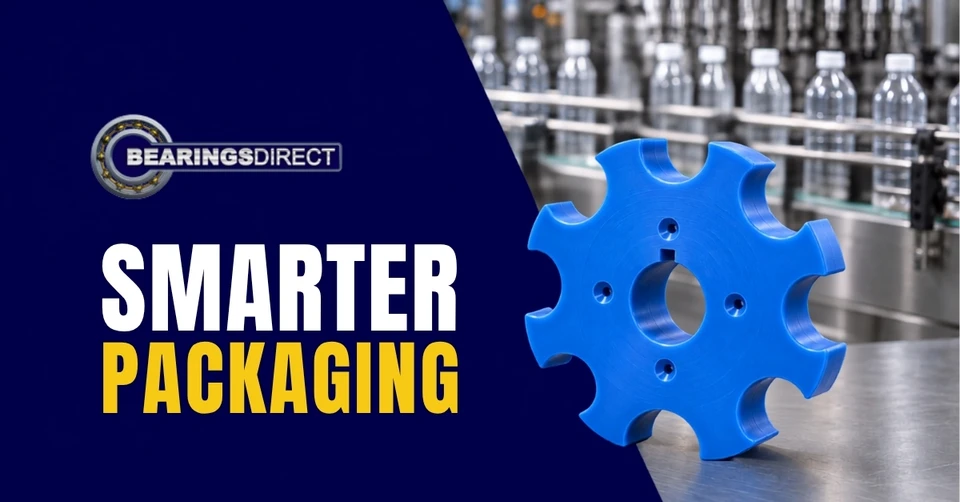
Custom Plastic Components for Packaging Machinery: Speed, Hygiene & Wear Resistance
Running a modern high-speed packaging line puts continuous pressure on your mechanical hardware. Constant washdowns, relentless cycle rates, and strict sanitation standards quickly wear out traditional metal parts. Upgrading to engineered plastics gives your equipment the durability and performance it needs to keep running without interruption. Using custom plastic components for packaging machinery helps you increase output, simplify daily maintenance, and maintain a clean production environment.
Why Are Plastic Components Gaining Ground in Packaging Machinery?
Modern packaging plants demand fast, clean, and reliable production. Standard metal parts were once the go-to choice for line builders. Today, custom engineered plastics are replacing traditional metals across conveyor lines, filling stations, and sealing equipment.
Rising Line Speeds
Packaging equipment runs faster today than ever before. Heavy metal components create high inertia during quick start and stop cycles. When your machinery changes direction thousands of times an hour, heavy parts strain your motors and limit your overall cycle times. Using lightweight high-speed packaging machinery parts reduces moving mass and lowers drive inertia. Your machine can accelerate faster, run smoother, and achieve higher throughput without overloading your drive systems.
Hygiene Demands
Food, beverage, and pharmaceutical packaging lines face strict cleanliness rules. Metal parts often have microscopic pits, seams, and fasteners where product residue and bacteria hide. Choosing hygienic plastic components provides smooth, non-porous surfaces that resist bacterial growth. These specialized plastic components for food packaging equipment give contaminants nowhere to cling, making your sanitation routines faster, simpler, and far more effective.
Corrosion and Chemical Exposure
Daily sanitation calls for high-pressure hot water, steam, and aggressive chemical cleaners. Over time, metal parts rust, pit, or flake paint directly into your packaging area. High-performance plastics do not rust or corrode under harsh caustic soaps, chlorine solutions, and acids. Replacing metal parts with washdown-resistant plastic components ensures your equipment survives daily sanitation without deteriorating over time.
What Types of Custom Plastic Components Are Used in Packaging Equipment?
Custom plastics fit into almost every moving part of a modern packaging line. Replacing off-the-shelf metal parts with custom-machined or molded plastics optimizes performance at key friction points.
Plastic Bushings and Bearings
Installing plastic bearings for packaging equipment allows your machinery to run completely dry without external lubrication. These parts rely on solid lubricants embedded directly into the material matrix. They replace traditional steel ball bearings in environments where external oil or grease could contaminate products or wash away during daily cleaning cycles.
Guide Rails and Wear Strips
Conveyors rely on guide rails and wear strips to steer containers smoothly along the line. Custom wear-resistant plastic components lower friction between moving belts and stationary metal frames. These durable strips prevent product tipping, reduce belt drag, and stop metal-on-metal scuffing across busy production lines.
Gears, Rollers, and Sprockets
Drive systems use custom plastic gears, rollers, and sprockets to move products predictably. These lightweight high-speed packaging machinery parts run far quieter than metal ones. They absorb vibration, protect sensitive packages, and lower overall plant noise levels for your machine operators.
Seals and Wear Pads
Custom wear pads protect critical machinery contact points from abrasive friction. Plastic seals keep dust, powders, and liquids out of sensitive mechanical housings. Custom-molded profiles allow you to match exact container shapes for gentle handling during high-speed sorting.
Pairing custom motion parts with high-grade custom bearing components helps keep your packaging machinery running reliably under heavy daily production schedules.
How Do Engineered Plastics Improve Speed and Efficiency?
Speed and efficiency determine the profitability of your packaging operations. Using low-friction plastic bearings and custom components boosts your overall equipment effectiveness across every shift.
Reduced Friction and Noise
High-performance plastics have exceptionally low friction coefficients. Components slide smoothly against each other without sticking or jerking. Choosing low-friction plastic bearings reduces mechanical chatter, leading to smoother bottle travel and lower overall plant noise.
Lower Mass, Less Wear on Drive Systems
Heavy metal components require larger motors and consume extra electrical power. Lightweight custom engineered plastics trim dead weight from moving assemblies. Your drive motors run cooler, use less energy, and suffer far less mechanical stress over time.
Self-Lubricating Properties
Modern self-lubricating plastic parts release microscopic quantities of solid lubricant as they wear. You never need to manually apply external grease. This cuts routine maintenance downtime and eliminates grease drips on your valuable packaging materials.
Why Does Hygiene Matter in Plastic Component Selection?
In food, beverage, and pharmaceutical packaging, a single contamination event can trigger costly product recalls. Selecting the right hygienic plastic components is your first line of defense against line shutdowns.
Non-Porous, Smooth Surfaces
Engineered plastic components for food packaging equipment machine or mold to ultra-smooth surface finishes. Without microscopic pores or rough textures, product dust, liquids, and organic material cannot settle into the surface during production runs.
Washdown and Chemical Resistance
Caustic washdown agents degrade standard rubber seals and corrode raw metal. Durable washdown-resistant plastic components resist swelling, cracking, or chemical degradation during rigorous, repeated sanitation routines.
Color-Coded and Detectable Options
Many plant engineers choose bright blue hygienic plastic components for easy visual inspection. Blue is rare in food products, making a chipped fragment simple to spot. Metal-detectable and X-ray-detectable plastic grades allow automated plant scanners to catch stray particles instantly.
To protect critical shaft assemblies from fluid intrusion during sanitation, explore high-performance seals and retaining rings built for wet washdown environments.
Which Materials Offer the Best Wear Resistance for Packaging Applications?
No single plastic fits every application. Matching the right material to your specific speed, load, temperature, and wear requirements is key to achieving long component life.
Acetal (POM)
Acetal is famous for its high mechanical strength, stiffness, and dimensional stability. It absorbs very little moisture, so parts keep their exact shape even in humid washdown areas. It machines cleanly and offers low friction, making it ideal for precision gears, star wheels, and timing screws.
UHMW-PE
Ultra-High Molecular Weight Polyethylene offers incredible wear and abrasion resistance. It outperforms carbon steel in sliding abrasion tests. Its slick surface makes it the top pick for high-speed conveyor guide rails, wear strips, and chain guides using wear-resistant plastic components.
Nylon
Nylon handles high mechanical loads and dampens severe impact shocks. Cast and extruded nylons work well for heavy-duty drive gears, rollers, and structural supports that endure continuous physical impact in high-speed packaging machinery parts.
PEEK
Polyetheretherketone is a high-performance material among custom engineered plastics designed for extreme settings. It handles continuous operating temperatures well over 400 degrees Fahrenheit and resists almost all industrial chemicals. Use PEEK for heat-sealing jaws, hot-fill lines, and aggressive chemical environments.
Plastic or Metal—Which Is Right for Your Packaging Equipment?
When upgrading machinery, procurement teams and design engineers often evaluate plastic vs metal components packaging tradeoffs. Evaluating durability, long-term costs, and delivery lead times helps clarify the right choice for your facility.
Addressing Durability Concerns
A common concern in plastic vs metal components packaging decisions is that plastics might be too soft for heavy packaging lines. While steel handles higher static loads, modern custom engineered plastics are reinforced with glass fibers, carbon fibers, or lubricant additives. These modifications allow wear-resistant plastic components to endure heavy loads, high speeds, and millions of continuous cycles without failing.
Comparing Long-Term Costs
Steel components may seem cheaper up front, but their true cost shows up later in maintenance labor, grease consumables, and wear on mating shafts. Using self-lubricating plastic parts reduces maintenance demands, eliminates lubrication costs, and extends the life of surrounding equipment. Over the life of your machinery, plastic parts deliver a significantly lower total cost of ownership.
For a deeper look into optimizing machinery expense over time, read our detailed guide on calculating the total cost of ownership for mechanical hardware.
Lead Time and Customization
Custom metal parts often require lengthy machining, heat treating, and surface plating. Custom plastic components machine quickly from rod, plate, or sheet stock. This fast turnaround lets you source high-speed packaging machinery parts rapidly, keeping your production schedules on track.
Why Choose Bearings Direct for Custom Plastic Packaging Components?
Sourcing the right component requires more than picking apart from a standard catalog. You need a trusted partner who understands motion control, material science, and the strict needs of the packaging industry.
Material and Application Expertise
Our technical team helps you pick the ideal plastic resin for your exact operating conditions. We balance speed, temperature, load, and washdown requirements so your custom plastic components for packaging machinery perform reliably from day one.
Custom Manufacturing Capabilities
We supply precision-machined and custom-molded parts built strictly to your drawings, tolerances, and design specifications. Whether you need a few replacement wear strips or thousands of plastic bearings for packaging equipment, we deliver consistent quality.
Reliable Sourcing and Support
We support original equipment manufacturers, maintenance technicians, and procurement managers with fast quotes, dependable deliveries, and hands-on technical support for all your custom engineered plastics.
Request a Custom Plastic Component Quote
Do not let worn bearings, corrosion, or slow cycle times hold back your packaging productivity. Upgrading to custom plastic components for packaging machinery boosts your machine speed, improves sanitation, and lowers long-term maintenance costs.
Whether you are designing a new high-speed machine or upgrading an existing packaging line, our experts are here to help. Contact Bearings Direct today to request a quote tailored to your exact speed, hygiene, and wear requirements.
Frequently Asked Questions (FAQ)
1. Can custom plastic components handle high-temperature packaging applications?
Yes, high-performance custom engineered plastics like PEEK, PTFE, and specialized Nylons perform reliably at high operating temperatures. PEEK maintains its strength and dimensional stability at continuous temperatures above 400 degrees Fahrenheit, making it ideal for heat-sealing jaws, hot-fill lines, and shrink-wrap equipment.
2. Are plastic bearings safe for direct contact with food products?
Many plastic components for food packaging equipment meet FDA and USDA guidelines for direct and indirect food contact. Materials such as virgin Acetal, UHMW-PE, and PEEK can be specified in food-grade formulations to ensure complete regulatory compliance on your packaging line.
3. How do self-lubricating plastic parts work without oil or grease?
Specially designed self-lubricating plastic parts contain microscopic particles of solid lubricants, such as PTFE, graphite, or silicone, blended directly into the polymer matrix. As the component operates, tiny amounts of these solid lubricants transfer to the mating surface, ensuring smooth operation without wet grease.
4. Will replacing metal bearings with plastic bearings reduce machine noise?
Yes, low-friction plastic bearings naturally absorb mechanical vibration and impact better than metals. Replacing metal-on-metal sliding contact with engineered plastics can lower machine operational noise significantly, creating a safer, quieter working environment for your operators.
5. How do plastic components compare to stainless steel in washdown zones?
When comparing plastic vs metal components packaging options, stainless steel resists corrosion but is heavy, expensive to machine, and requires lubricated bearings. In contrast, washdown-resistant plastic components do not rust, run completely dry without grease, and weigh significantly less, making them easier on drive motors.
6. What is the advantage of using blue plastic components on a packaging line?
Bright blue hygienic plastic components offer easy visual detection. Because blue is not a natural color for food products, any broken or chipped piece that falls into the product stream can be quickly identified and removed by quality inspectors.
7. Can engineered plastics be used in metal-detectable systems?
Yes, resin manufacturers produce plastic components for food packaging equipment infused with microscopic metallic additives. These specialized materials allow standard inline metal detectors and X-ray inspection equipment to catch tiny plastic fragments before products leave your facility.
8. How do I know which plastic material is right for my application?
Material selection depends on your line speed, operating temperature, load requirements, and exposure to cleaning chemicals. Working with an experienced supplier like Bearings Direct ensures you choose the right material, whether you need plastic bearings for packaging equipment, the wear resistance of UHMW-PE, or the heat tolerance of PEEK.
9. Are custom plastic parts more expensive than off-the-shelf metal parts?
While initial unit costs for custom plastic parts can sometimes be higher than basic metal hardware, evaluating plastic vs metal components packaging costs reveals long-term savings. Lower maintenance needs, zero lubrication costs, and extended machinery lifespan give plastic parts a much lower total cost of ownership over time.
10. How fast can custom plastic components be manufactured and delivered?
Plastics machine much faster than hard metals, which drastically reduces production lead times. Custom high-speed packaging machinery parts can often be turned around in a fraction of the time required for machined, heat-treated, or plated steel parts, helping you minimize unexpected plant downtime.