
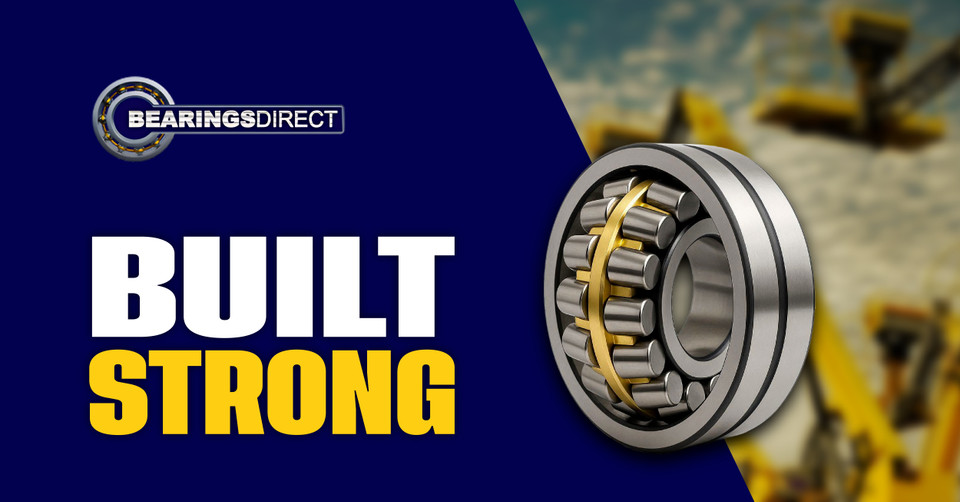
Heavy-Load Bearings Designed for Structural and Lifting Equipment
Heavy equipment moves enormous weight every day, and your systems rely on precision components to handle that pressure safely. Heavy-load bearings play a key role by supporting structural loads, reducing friction, and keeping lifting motion smooth and controlled. When you choose the right bearings for lifting equipment, your cranes, hoists, and structural systems stay stable, efficient, and safe even in the toughest industrial conditions, thanks to dependable structural load bearings designed for demanding work.
Why Are Heavy-Load Bearings Critical for Structural and Lifting Equipment?
Supporting Extreme Loads and Static Forces
When you lift or support heavy structures, your bearings must carry massive static and dynamic forces. High load capacity bearings distribute weight across rolling elements, reducing concentrated stress that could damage shafts or housings. This allows your lifting systems to operate smoothly while handling extreme loads without deformation or failure, which is why load-bearing bearings are essential in industrial lifting environments.
Maintaining Structural Stability Under Continuous Stress
Structural and lifting equipment often runs under constant pressure. Over time, repeated load cycles can weaken components if force is not distributed properly. Structural load bearings help maintain alignment and prevent uneven wear, ensuring your equipment stays stable during long operating hours. Many operators rely on heavy-duty industrial bearings to keep structural systems performing under continuous load.
Preventing Equipment Failure in High-Risk Applications
In high-risk lifting environments, even minor mechanical failure can lead to major safety hazards. Bearings for lifting equipment reduce vibration, absorb shock, and keep motion controlled. With the right load-rated bearing in place, your equipment performs reliably and safely under heavy working conditions, especially when using industrial lifting bearings designed for high-stress operations.
What Types of Bearings Are Used in Heavy-Duty Lifting Applications?
Spherical Roller Bearings for Shock and Misalignment
Spherical roller bearings are widely used in heavy lifting systems because they handle very high radial loads and tolerate misalignment. Their self-aligning design compensates for shaft deflection, making them ideal for bearings for cranes and hoists exposed to shock and vibration. These heavy-duty industrial bearings provide durability and consistent performance under heavy load.
Tapered Roller Bearings for Axial and Radial Loads
Tapered roller bearings support combined loads, meaning they handle both radial force and axial thrust. You often find them in crane wheel hubs, hoisting drums, and bearings for construction equipment. Their geometry provides strong load stability and helps maintain precise alignment during lifting operations, making them reliable load-bearing bearings in heavy applications.
Slewing Ring Bearings for Cranes and Rotating Equipment
Slewing ring bearings support radial, axial, and moment loads simultaneously. They are essential in rotating lifting equipment such as tower cranes, gantry systems, and heavy-duty turntables. These industrial lifting bearings allow smooth, controlled rotation even under extreme structural load, ensuring long-term reliability in rotating systems.
Plain Bearings for Structural Support Systems
Plain bearings are commonly used where movement is slower but load is high. They provide reliable support in structural pivot points, hinge systems, and load-bearing assemblies. Their simple design makes them durable and suitable for heavy static loads, often serving as dependable structural load bearings in structural support systems.
How Do Heavy-Load Bearings Improve Safety and Performance?
Load Distribution and Stress Reduction
High load capacity bearings spread force evenly across rolling surfaces, reducing stress on individual components. This prevents premature wear and protects surrounding parts from overload, helping your equipment run longer without damage. Many industries depend on heavy-duty industrial bearings to ensure safe load distribution in lifting environments.
Stability During Lifting and Rotation
Stable lifting depends on smooth motion. Load-bearing bearings maintain alignment and prevent sudden shifts or vibration during lifting and rotation. This ensures precise control, especially when handling heavy or sensitive loads in systems that rely on bearings for lifting equipment for smooth and controlled operation.
Resistance to Shock, Vibration, and Fatigue
Industrial lifting systems experience repeated shock and vibration. Industrial lifting bearings resist fatigue, absorb impact, and maintain structural integrity. This reduces the chance of cracking, overheating, or unexpected failure, especially when using robust bearings for cranes and hoists in high-stress environments.
Where Are Heavy-Load Bearings Commonly Used?
Cranes and Hoisting Systems
Cranes rely on bearings for cranes and hoists for slewing motion, hoisting drums, wheel hubs, and gear systems. These industrial lifting bearings allow smooth lifting and controlled load positioning even under extreme weight, helping maintain safe and stable lifting performance.
Construction and Earthmoving Equipment
Excavators, loaders, and bulldozers operate in harsh environments with heavy loads and shock. Bearings for construction equipment support transmissions, track systems, and rotating assemblies, ensuring reliable operation even under severe working conditions using durable heavy-duty industrial bearings.
Industrial Lifting Platforms and Material Handling
Lift platforms, conveyors, and material handling systems use bearings for lifting equipment to support vertical motion and load transfer. These load-bearing bearings ensure smooth movement, reduce mechanical stress, and improve equipment efficiency during heavy lifting operations.
Structural Supports and Rotating Assemblies
Heavy-load bearings are also used in structural joints, rotating platforms, and industrial frames. They allow controlled motion while supporting significant static weight, making structural load bearings essential in both moving and stationary industrial structures.
What Factors Matter When Selecting Bearings for Structural Loads?
Load Rating and Safety Margins
Always choose high load capacity bearings rated above your expected load. Adequate safety margin ensures long service life and prevents structural failure during peak load conditions, especially in systems using heavy-duty industrial bearings for continuous operation.
Environmental Conditions and Exposure
Dust, moisture, extreme temperatures, and chemicals can reduce bearing life. Select sealed or corrosion-resistant bearings for construction equipment designed to withstand harsh industrial environments and protect internal components from contamination.
Lubrication Requirements
Proper lubrication reduces friction, heat, and wear. Choose industrial lifting bearings compatible with your lubrication method and maintenance schedule to maintain smooth operation and extend service life.
Maintenance Access and Service Life
Consider how easily bearings can be inspected or replaced. Durable load-bearing bearings designed for long service life reduce downtime, improve reliability, and support continuous structural performance in demanding applications.
How Can Proper Maintenance Extend Bearing Life in Lifting Equipment?
Lubrication Schedules and Load Monitoring
Consistent lubrication protects bearing surfaces and reduces friction. Monitoring load levels helps prevent overload, which is a common cause of failure in heavy-duty industrial bearings used in lifting environments.
Preventing Contamination and Corrosion
Dust, debris, and moisture can damage bearing surfaces. Proper sealing and regular inspection help protect structural load bearings from corrosion and extend service life, especially in outdoor or harsh industrial settings.
Early Detection of Wear and Fatigue
Routine checks for vibration, noise, or heat allow you to detect wear early. Replacing worn industrial lifting bearings before failure prevents costly equipment damage, improves safety, and ensures continued lifting performance.
Why Choose Bearings Direct for Heavy-Load Bearing Solutions?
Wide Range of Load-Rated Bearings
Bearings Direct offers a broad selection of high load capacity bearings designed for structural and lifting applications. You can find dependable solutions built to support heavy industrial loads.
Solutions for Construction, Lifting, and Structural Use
Whether you need bearings for lifting equipment, bearings for construction equipment, or structural applications, Bearings Direct provides durable products designed for demanding environments.
Trusted Supply, Fast Shipping, and Expert Support
Reliable sourcing matters when downtime is costly. Bearings Direct supplies heavy-duty industrial bearings with fast shipping and knowledgeable support to help you select the right bearing.
Bearings Built for Reliability and Long-Term Performance
Engineered for durability and load stability, Bearings Direct products function as dependable load-bearing bearings that support long-term structural strength and lifting safety.
Source Heavy-Load Bearings Built for Structural and Lifting Applications
If you design, maintain, or operate lifting and structural equipment, the right bearing makes all the difference. Explore Bearings Direct’s selection of heavy-load bearings engineered for structural strength, lifting safety, and long-term durability. Discover reliable industrial lifting bearings and structural load bearings built to keep your equipment stable, efficient, and ready for demanding industrial performance.
FAQ: Heavy-Load Bearings for Structural and Lifting Equipment
1. What are heavy-load bearings used for?
They support large weights in cranes, hoists, and industrial systems wherebearings for lifting equipment must provide strength, stability, and durability.
2. Which bearing type handles the heaviest loads?
Spherical and tapered roller designs are commonhigh load capacity bearings used in demanding industrial and lifting applications.
3. How do heavy-load bearings improve lifting safety?
They stabilize motion, reduce vibration, and function as dependableload-bearing bearings that prevent sudden mechanical failure.
4. What causes heavy-load bearing failure?
Overload, poor lubrication, contamination, and misalignment can damageheavy-duty industrial bearings over time.
5. How often shouldheavy-loadbearings be maintained?
Maintenance varies by load and environment, but regular inspection and lubrication help protect industrial lifting bearings and extend service life.
6. Are heavy-load bearings resistant to shock and vibration?
Yes. Manybearings for cranes and hoists are engineered to absorb impact and resist fatigue in demanding lifting conditions.
7. Can one bearing support both radial and axial loads?
Yes. Certain load-bearing bearings, such as tapered roller bearings, are designed to support combined loads.
8. Where are industrial lifting bearings most commonly used?
They are widely used in construction, mining, manufacturing, and material handling systems that rely onbearings for construction equipment.
9. How do I choose the right bearing for structural applications?
Consider load rating, environment, lubrication, and durability when selectingstructural load bearings.
10. Where can I find reliable heavy-load bearings?
You can source durableheavy-duty industrial bearings and lifting solutions from Bearings Direct for structural and industrial applications.