
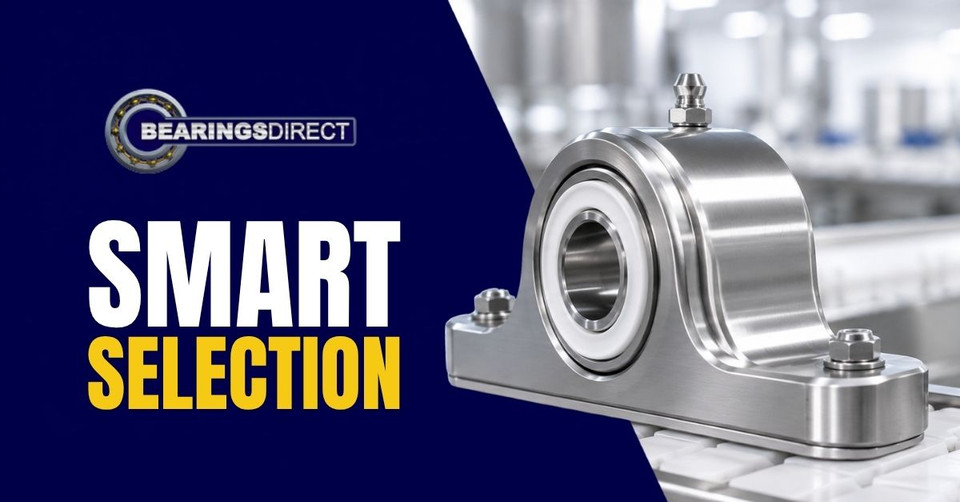
Picture a high speed bottling line grinding to an unexpected halt on a Tuesday morning all because a tiny conveyor bearing succumbed to chemical corrosion. In food and beverage plants, this kind of unplanned downtime does not just stall production—it threatens perishable ingredients, spikes your labor costs, and turns your afternoon into a stressful firefighting exercise. Choosing custom components for food processing equipment ensures your machinery thrives under relentless cleaning schedules and extreme thermal swings, keeping your lines moving safely and efficiently.
Why Do Standard Bearings and Components Fail in Food Processing Environments?
Standard, off-the-shelf industrial parts are designed for predictable, dry environments where their biggest threat is standard factory dust. Food production environments are a completely different animal, forcing mechanical parts to endure a punishing combination of high-pressure water, aggressive chemical cleaners, and rapid temperature shifts. If you rely on basic catalog parts, you will quickly find they are not built as custom components for washdown environments.
When you subject a standard industrial bearing to daily sanitation routines, the reality of its design limitations quickly comes to light. Standard rubber seals lack the structural integrity to withstand high-velocity fluid impacts, allowing water and caustic cleaning agents to slip past the outer barriers. This lack of protection means you miss out on the benefits of a true hygienic bearing design. Once inside, these liquids strip away the internal grease, leaving the rolling elements to grind together without protection. This lack of lubrication triggers rapid internal rust, pitting, and material flaking.
Furthermore, standard industrial greases thin out dramatically when exposed to hot water washdowns, causing the lubricant to weep out of the component. Once the grease migrates onto the outside of the machine, the internal components run dry and seize, bringing your entire operation to a costly standstill. Investing in high quality custom bearings for food processing is the most reliable way to break this cycle of early mechanical failure.
What Materials Are Best Suited for Food Processing Components?
Material selection is your absolute first line of defense when engineering machinery for clean production zones. While basic carbon steels dominate standard catalogs, they simply cannot survive the acidic juices of fruits, the corrosive enzymes of meats, or the chlorinated sanitizers used during deep-clean shifts. Specifying specialized stainless steel bearings for food industry applications allows you to match the exact metallurgy to your line conditions.
Stainless Steel Grades
Stainless steel is the foundational material for sanitary machinery, but the specific grade you select determines how long your components will last:
- 304 Stainless Steel: This grade provides reliable corrosion resistance for general framing, structural supports, and secondary washdown zones where direct chemical contact is minimal. It handles plain water and mild detergents well, making it a cost-effective choice for standard plant infrastructure.
- 316 Stainless Steel: When a component sits directly in the splash zone, 316 stainless steel is non-negotiable. The inclusion of molybdenum in its chemical makeup drastically improves its resistance to pitting and stress corrosion cracking caused by chlorides, salts, and heavy acids. This makes it ideal for building durable corrosion-resistant bearings for food equipment.
Engineered Polymers and Composites
For applications where metal-on-metal friction is a concern, high-performance engineered plastics like UHMWPE (ultra-high-molecular-weight polyethylene) and PEEK (polyether ether ketone) offer immense mechanical advantages. These materials absorb absolutely zero moisture, are completely immune to chemical rusting, and possess a low coefficient of friction. They work perfectly for custom wear strips, high-speed bushings, and lightweight components where traditional lubricants cannot be used.
Special Coatings and Surface Treatments
When you need the raw load capacity of high-carbon steel but cannot risk raw metal exposure, advanced surface treatments provide an excellent middle ground. Specialized zinc-nickel plating, thin dense chrome (TDC), and proprietary chemical conversions apply a protective barrier over the core metal. This coating fills microscopic surface pores, preventing moisture from taking hold and stopping chemical pitting before it can weaken the structure of your machinery.
How Should Sealing Be Designed for Washdown and Hygienic Environments?
A bearing or mechanical component in a food plant is only as durable as its sealing system. The seals must perform two demanding, opposing roles simultaneously: they must lock out high-pressure sanitation fluids while securely retaining internal lubricants. Achieving this balance requires moving past basic catalog options toward an intentional hygienic bearing design.
[ HIGH-PRESSURE WASHDOWN WATER ]
│
▼
[ Flinger Ring ] ---- (Throws 80% of water away)
│
▼
[ Labyrinth Seal ] -- (Traps moisture in maze)
│
▼
[ Contact Lip ] ---- (Blocks final micro-droplets)
│
▼
[ Bearing Core ]
Custom configurations utilize a multi-layered defense strategy to handle the toughest washdown environments:
- Contact Seals: These elastomer lips maintain physical pressure against the rotating inner ring. Custom contact seals use specialized synthetic rubbers like Viton or fluoropolymers that maintain their shape and elasticity even when hammered by high-pressure, hot-water washdown cycles.
- Labyrinth Seals: This non-contact design uses a precisely machined, interlocking pathway that forces water and debris to navigate a complex maze before reaching the interior. Because there is no physical friction, labyrinth seals do not wear down or generate heat, making them ideal for high-speed shafts.
- Flinger Rings: These external metal shields are keyed directly to the rotating shaft. They use centrifugal force to physically fling liquid sprays and solid debris away from the main seal gap before the contaminants ever touch the primary seal lip.
By combining these elements into a single custom design, such as an external flinger paired with a triple-lip contact seal, you create an impenetrable barrier using custom seals for food processing equipment. Beyond the internal seals, specialized sanitary bearing housings feature smooth, completely rounded external profiles. They eliminate exposed bolt threads, deep crevices, and sharp 90-degree corners where stagnant water can pool and bacteria can grow, making the entire machine much simpler and faster to sanitize.
What Role Does Lubrication Play in Food Processing Component Performance?
Lubrication is the lifeblood of rotating machinery, reducing internal friction, dissipating heat, and coating internal metals against oxidation. However, in a food production facility, you cannot simply pump any industrial grease into your machinery. The ever-present risk of accidental contact with the line requires a strict, thoughtful approach to your lubrication strategy.
Custom components take advantage of advanced, specialized lubricants designed for demanding cleanroom and production applications:
- Synthetic Greases: Synthetic base oils offer excellent mechanical stability across wide temperature ranges. Unlike mineral oils, they will not thin out and leak when warm, nor will they stiffen up and increase torque demands when cold.
- High-Viscosity Formulas: Tacky, high-viscosity greases use advanced thickeners (such as aluminum complex or sulfonate formulas) that physically resist water washout. They remain locked within the bearing raceways even when subjected to direct stream cleaning.
- Solid Lubricants: For areas where liquid oil migration cannot be tolerated under any circumstance, solid lubrication is an incredible alternative. This technology fills the entire internal cavity of the component with a polymer matrix saturated with lubricating oil. As the machinery rotates, the matrix releases micro-amounts of oil into the raceway, reabsorbing it when rotation stops to eliminate weeping completely.
When deploying high-quality food-grade lubrication bearings, your maintenance strategy must account for your washdown frequency. Even the best grease can degrade over time under constant chemical spraying. Custom components can be designed with specialized grease relief pathways and targeted re-lubrication ports. This allows your maintenance technicians to safely purge old, moisture-laden grease and inject fresh lubricant without damaging the delicate internal seals or compromising your sanitary bearing housings.
How Do Temperature and Cleaning Cycles Affect Component Selection?
Food production machinery is regularly subjected to brutal thermal shocks. A single conveyor system might carry blast-chilled meats through a freezing tunnel at sub-zero temperatures, only to be blasted with 180°F (82°C) pressurized water and live steam during the third-shift cleanup. This rapid cycling creates massive mechanical stress due to thermal expansion and contraction, which requires upgrading to custom components for washdown environments.
When temperatures shift instantly, different materials expand at different rates. If you install a standard bearing with tight internal tolerances onto a solid steel shaft, a blast of hot water will cause the inner ring to expand much faster than the cooler outer housing. This variance eliminates the internal operational clearance, forcing the rolling elements to jam tightly against the raceways, overheating and destroying the bearing within minutes.
Custom components solve these thermal dilemmas through deliberate engineering adjustments:
- Expanded Internal Clearances: Specially designed high-temperature bearings for food processing are engineered with wider internal radial clearances (such as C3 or C4 clearance ratings). This built-in play gives the internal components room to expand safely without binding up during intense steam cleaning.
- Advanced Seal Compounds: Standard nitrile rubber seals quickly turn brittle in freezing conditions and soften or warp in high heat. Custom designs utilize specialized silicone or fluoroelastomer compounds that remain flexible and perfectly sealed across extreme temperature swings.
- Matched Thermal Expansion: Custom design engineering ensures that the internal bearing steel, the external housing, and the mounting shaft expand at compatible rates. This harmony prevents components from loosening on the shaft or binding up within their mounts, protecting your line from sudden thermal failures.
When Should You Choose Custom Over Standard Components?
Relying on standard catalog parts makes sense when you are mocking up basic prototypes or operating in dry, low-stress packaging areas. However, as you move closer to active production lines and intense washdown zones, standard parts rapidly become a liability. Recognizing when to step away from the catalog and move toward tailored custom bearings for food processing is vital for protecting your operational uptime.
You should consider moving to custom-engineered components when your facility experiences these specific challenges:
- Repeated, Predictable Failures: If your maintenance logs show that a specific conveyor, mixer, or sorter bearing fails every few weeks or months, the application demands more than a standard part can give.
- Severe Spatial Limitations: Older processing lines or specialized European machinery often feature incredibly tight footprints where standard, modern off-the-shelf housings simply will not fit without major structural modifications.
- Non-Standard Shaft Tolerances: Custom food machinery frequently uses non-standard shaft diameters or unique metric-to-inch adaptations that require precise, custom-bored component dimensions to mount correctly.
By partnering with a knowledgeable supplier engineering team, you can design custom bearing components tailored exactly to your equipment's operating realities. Instead of trying to adapt your machinery to fit a catalog part, investing in custom components for food processing equipment allows you to modify the internal clearances, metallurgy, housing shape, and seal configurations of the component to fit your machine perfectly. This eliminates installation guesswork and secures long-term reliability.
Are Custom Components Worth the Cost and Lead Time?
The primary objection to ordering custom-engineered components is the higher initial cost and the longer lead time compared to ordering mass-produced parts from a catalog. It is a valid procurement concern, but looking strictly at the upfront invoice price overlooks the true return on investment (ROI) that custom components bring to a facility.
To understand the real value, you have to look at the total cost of a standard component failure. When a cheap bearing fails unexpectedly, the invoice price of the replacement part is only a tiny fraction of the total expense. You must factor in:
- Lost Production Revenue: Every minute a primary line sits idle represents thousands of dollars in lost throughput and wasted raw materials.
- Scrapped Product: If a bearing fails and leaks grease into a batch of product, or sheds metal fragments near a line, the entire batch must be thrown away.
- Emergency Maintenance Labor: Shifting technicians away from critical preventative maintenance to handle emergency repairs drives up overtime costs and disrupts scheduled plant work.
While a custom component requires a higher initial investment, switching to washdown-rated bearings regularly lasts three to five times longer than a standard catalog alternative in harsh washdown zones. This extended service life stabilizes your maintenance schedules, lowers your total replacement parts budget, and keeps your production lines running predictably.
To mitigate lead time concerns, savvy plant managers partner with domestic suppliers to establish dedicated stocking programs. Once your components are designed and approved, you can utilize sourcing custom components from US suppliers to hold a dedicated buffer stock on local shelves. This strategy gives you the best of both worlds: highly engineered, ultra-durable corrosion-resistant bearings for food equipment ready to ship to your facility for planned maintenance turnarounds.
Why Choose Bearings Direct for Custom Food Processing Components?
Navigating the unique mechanical and sanitary demands of a modern food facility requires a partner who brings deep engineering expertise to the table, not just someone reading part numbers out of a catalog. Bearings Direct specializes in solving the chronic component failures that disrupt your facility's productivity.
We do not believe in one-size-fits-all solutions. Our experienced team works collaboratively with your design engineers and maintenance managers to inspect your failed parts, review your daily washdown protocols, and evaluate your thermal operating conditions. Whether you need specialized custom seals and retaining rings or high-capacity stainless steel bearings for food industry lines, we help you specify the exact materials, internal clearances, and grease formulas your machinery needs.
By choosing Bearings Direct, you gain a reliable domestic partner dedicated to shortening your supply chain. We eliminate the frustrating communication delays and unpredictable shipping timelines associated with overseas manufacturers. Our focused approach ensures you receive responsive technical support, rigorous quality control, and a dependable safety stock program tailored to your plant's operational goals.
How Can You Start Specifying Custom Components for Your Equipment?
Upgrading your food processing lines to custom-engineered components is a proactive step toward eliminating unexpected breakdowns and stabilizing your daily production yields. Continuing to swap out failed catalog parts for the exact same models only guarantees more unplanned downtime down the road.
Getting started is straightforward. Gather your equipment's physical dimensions, note your typical operating temperatures, and document the specific cleaning chemicals your sanitizers use during cleanup.
Reach out to Bearings Direct's engineering team today to share these application details. We will guide you through the specification process, help you select the ideal materials and sealing systems, and deliver high-performance custom components for food processing equipment built to keep your food processing lines running smoothly.
Frequently Asked Questions
1. What makes 316 stainless steel better than 304 for food equipment bearings?
316 stainless steel includes molybdenum in its alloy mix, which drastically improves its resistance to pitting and crevice corrosion. While 304 handles plain water well, 316 is required for stainless steel bearings for food industry zones exposed to aggressive salts, food acids, and chlorinated sanitizers.
2. Can standard industrial seals handle high-pressure washdown cycles?
No. Standard industrial seals are designed primarily to exclude dry dust and will deform under high-pressure water sprays. This allows water and sanitizing chemicals to breach the bearing cavity, wash out the grease, and cause early rust, which highlights the need for specialized custom seals for food processing equipment.
3. What is a solid lubricant and how does it prevent food contamination?
A solid lubricant consists of a porous polymer matrix packed with lubricating oil that completely fills the internal space of the bearing. It releases micro-amounts of oil during operation and reabsorbs it when rotation stops, preventing liquid grease from weeping out of your food-grade lubrication bearings onto your food line.
4. Why do high-temperature processing lines require custom internal clearances?
Rapid heating causes internal bearing components to expand. Specialized high-temperature bearings for food processing feature wider internal clearances (such as C3 or C4 ratings) to give the steel room to expand safely without binding, overheating, or seizing the shaft.
5. How do custom housings improve sanitary conditions in a plant?
Custom sanitary bearing housings are designed with smooth, completely rounded external surfaces that eliminate sharp corners, exposed bolt threads, and deep crevices. This prevents stagnant water from pooling and stops bacteria from colonizing hard-to-reach spots.
6. Are engineered polymers strong enough to replace stainless steel components?
Yes, in many applications. Advanced polymers like PEEK and UHMWPE offer high mechanical strength, absorb no moisture, and are completely immune to chemical corrosion, making them perfect for specialized bushings, wear strips, and guide rollers used alongside corrosion-resistant bearings for food equipment.
7. How does a flinger ring help protect a custom bearing seal?
A flinger ring is attached to the rotating shaft outside the main seal. It uses centrifugal force to physically throw water sprays and heavy debris away from the seal opening, acting as a highly effective first line of defense for your washdown-rated bearings.
8. What is the advantage of sourcing custom components from a US supplier?
Sourcing domestically removes the risk of long international shipping delays and customs disruptions. It allows you to build a reliable safety stock program for your custom bearings for food processing with a partner who can quickly ship replacement parts to match your maintenance schedules.
9. Do custom components require specialized maintenance compared to standard parts?
Not necessarily. While they are engineered differently, they often require less frequent maintenance because the advanced features of a proper hygienic bearing design and robust lubricants last much longer under harsh conditions, reducing your manual grease cycles.
10. How can I justify the higher upfront cost of custom parts to procurement?
By calculating the total cost of downtime. Choosing specialized custom components for food processing equipment that last three to five times longer than standard catalog parts easily pays for itself by preventing lost production revenue, emergency labor overtime, and scrapped product batches.
custom components for food processing equipment