
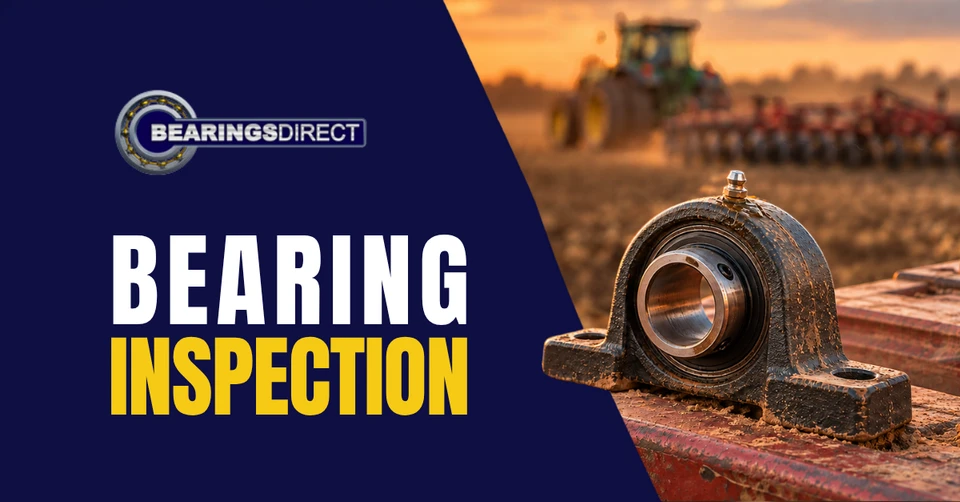
When to Replace vs. Re-Grease: Making the Call on Aging Farm Bearings
You have been in this situation before. A bearing starts acting up in the middle of the season, and you need to decide fast whether a quick re-grease will keep things moving or if replacement is the safer call.
This is a common moment for anyone who keeps farm equipment running day after day. You need a clear way to judge the condition of the bearing so you can make the right decision without losing time in the field.
Why Does the Replace-or-Re-Grease Decision Matter for Farm Equipment?
Downtime during planting or harvest can cost you acres of productivity. When a bearing starts showing wear, the pressure to choose between re-greasing and replacing is real because every hour matters.
A quick fix might seem like the fastest way to get back to work, but it can turn into a breakdown if the bearing is already worn. The wrong call can also increase wear on nearby parts like shafts, housings, and seals. This is why farm equipment bearing maintenance plays such an important role in keeping your operation moving.
Making the right decision helps you avoid field failures, protect your equipment, and reduce long-term repair costs.
What Signs Suggest a Farm Bearing Just Needs Re-Greasing?
Not every noisy or stiff bearing is worn out. Some bearings simply need fresh grease to flush out dust or moisture.
Minor noise or stiffness that resolves with fresh grease
If the bearing feels slightly rough or makes light noise that disappears after greasing, it is likely still healthy. This often happens in dry or dusty conditions.
No visible play, scoring, or discoloration
Healthy bearings do not show scoring, pitting, or blue heat marks. If the surfaces look clean and smooth, re-greasing is usually enough.
Bearing is within its expected service interval
If the bearing is still inside the recommended bearing regreasing intervals of agriculture guidelines, and you see no damage, re-greasing is the right move.
Sealed vs greaseable bearings
Some bearings cannot be re-greased at all. Sealed bearings come pre-lubricated and are not serviceable. Greaseable bearings allow fresh lubricant to push out contaminants. Knowing the difference helps you avoid unnecessary removal. This is why sealed vs greaseable bearings farm equipment matters during inspection.
What Symptoms Mean a Bearing Should Be Replaced, Not Re-Greased?
Some signs tell you clearly that re-greasing will not solve the problem. When you see these symptoms, replacement is the safer choice.
Persistent grinding, humming, or growling
If noise returns right after greasing, the internal surfaces are already worn. This is one of the strongest signs a bearing needs replacing.
Visible pitting, spalling, or fretting corrosion
Any surface damage means the bearing has lost its smooth rolling path. Re-greasing cannot fix this.
Excessive radial or axial play
If the bearing wiggles or shifts when you move the shaft, the internal clearances have opened up. This is a clear farm bearing failure symptoms indicator.
Heat buildup after short run times
If the bearing gets hot quickly, the rolling elements are damaged, or the lubrication path is blocked. Heat is a major warning sign that replacement is needed.
How Do Field Conditions Affect Farm Bearing Service Life?
Your equipment works in tough environments. Field conditions play a big role in how long bearings last.
Dust, moisture, and debris
Tillage and harvest equipment face constant exposure to dirt and crop residue. Even with good seals, contamination slowly works its way inside. This shortens agricultural bearing lifespan.
Heavy or uneven loads
Implements like disc harrows, balers, and tillage tools put high loads on bearings. If you notice uneven wear patterns or vibration, it may be a bearing wear signs tractor implements situation.
Usage-based wear
Hours of operation, soil type, and load conditions all affect service life. OEM service manuals give the most accurate intervals for your specific machine. Use them as your baseline.
What's the Best Way to Inspect an Aging Farm Bearing Before Deciding?
A good inspection helps you make the right call between re-greasing and replacing.
Manual checks
Spin the bearing by hand. It should feel smooth with no grinding. Check for play by moving the shaft side to side. Any looseness means internal wear.
Temperature checks
After running the equipment briefly, touch the housing carefully. Warm is normal. Hot is not.
Listen under load
A bearing may sound fine when spun by hand but noisy under load. Listen for changes in tone or vibration.
When to pull the bearing
If you cannot see the rolling elements or suspect internal damage, remove the bearing for a closer look. This is a key step in how to inspect aging farm bearings.
How Does Counterfeit Bearing Risk Complicate This Decision?
Counterfeit bearings are a growing problem in agriculture. They look normal on the outside but fail early because they are made with poor materials and loose tolerances.
If you unknowingly install a counterfeit bearing, you might think it only needs re-greasing when it actually needs replacement. This makes the replace versus re-grease decision harder and increases the risk of in-season failure. This is why counterfeit bearings for agricultural equipment is a serious concern.
Sourcing from verified suppliers helps you avoid these risks and protect your equipment from premature wear.
Is It Cheaper to Re-Grease or Replace an Aging Farm Bearing?
The upfront cost of re-greasing is lower. But the long-term cost depends on the condition of the bearing.
Upfront cost
Grease is inexpensive. Replacement bearings cost more, especially for large implements.
Hidden costs
If you keep re-greasing a failing bearing, you may face repeat downtime, extra labor, and damage to nearby components. This increases your cost of bearing replacement vs regreasing.
Downtime cost
A bearing that fails during planting or harvest can cost you hours or even a full day. When you compare the cost of replacement versus re-greasing, downtime often becomes the deciding factor.
Why Choose Bearings Direct for Farm Equipment Bearing Replacement?
You need bearings you can trust. Bearings Direct offers:
Quality-assured bearings
You get verified, reliable bearings that reduce counterfeit risk.
Broad inventory
You can find bearings for common and legacy farm equipment, including odd sizes and specialty applications.
Fast turnaround
Quick shipping helps you avoid downtime during planting and harvest seasons.
Get the Right Bearing Before the Next Breakdown
Do not wait for a failure in the field. Source verified replacement bearings from Bearings Direct before your next inspection cycle. Quality bearings protect your equipment, reduce downtime, and keep your operation moving.
FAQ
1. How often should I re-grease farm bearings?
Follow your OEM manual. Conditions like dust, moisture, and heavy loads may require more frequent service.
2. What is the difference between sealed and greaseable bearings?
Sealed bearings come pre-lubricated and cannot be re-greased. Greaseable bearings allow fresh grease to flush out contaminants.
3. What are the most common signs a bearing needs replacing?
Grinding noise, heat buildup, visible damage, and excessive play.
4. Can re-greasing fix a noisy bearing?
Only if the noise is caused by dry lubrication. If noise returns, the bearing is worn.
5. How do I check for bearing wear?
Spin the bearing, check for smoothness, listen under load, and inspect for play or heat.
6. What causes premature bearing failure?
Contamination, overload, misalignment, poor lubrication, and counterfeit parts.
7. Are counterfeit bearings common in agriculture?
Yes. They are hard to spot and often fail early.
8. Should I replace bearings before harvest?
If a bearing shows wear or heat, replacing it before harvest reduces risk of downtime.
9. How do field conditions affect bearing life?
Dust, debris, moisture, and heavy loads shorten service life.
10. Where can I buy verified replacement bearings?
Bearings Direct offers quality-assured bearings for farm equipment.